Jazz Isn't Music for an Elite. It's Music for Curious Ears.
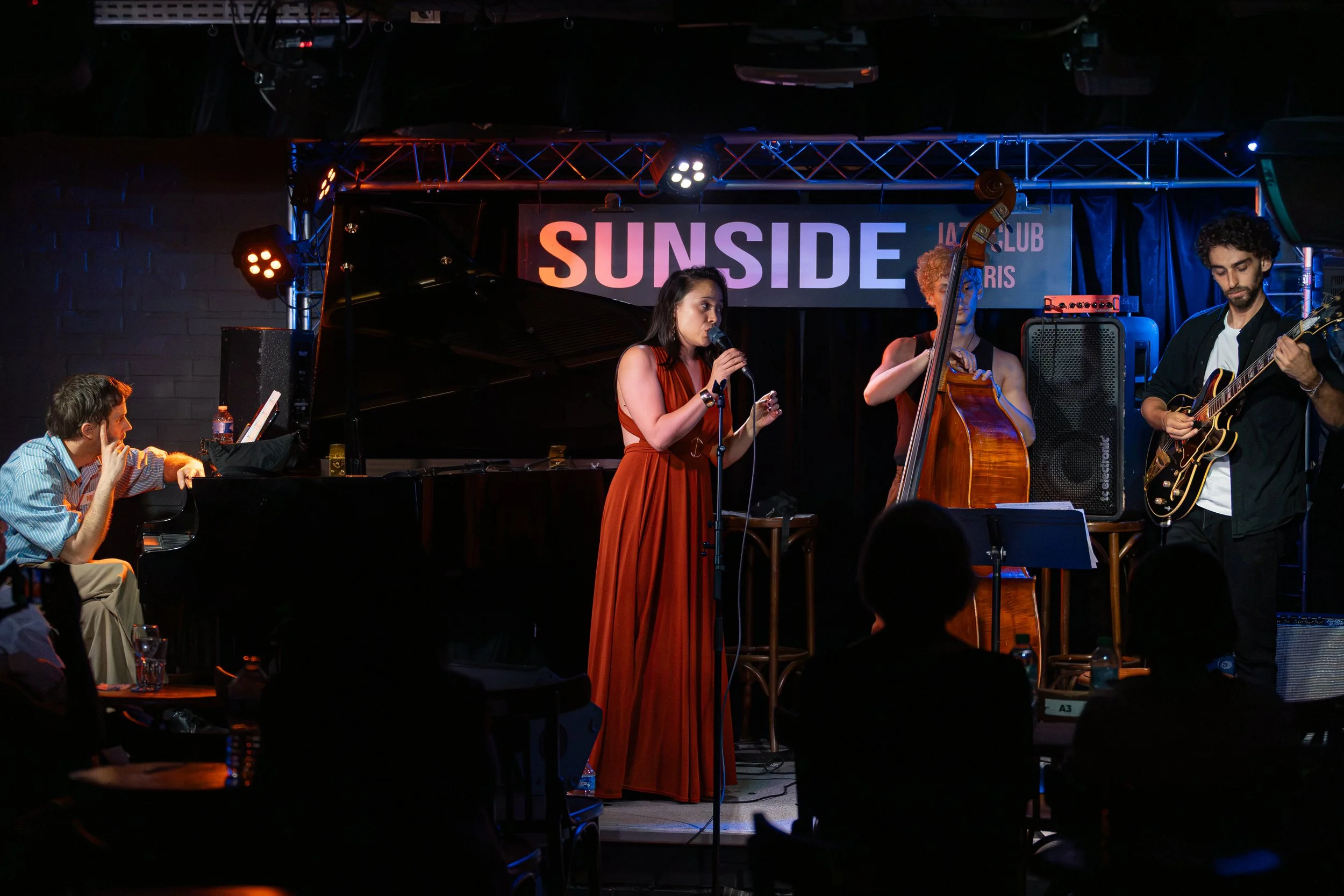
Chloé Lecerf Quartet at Sunset Sunside Jazz Club in Paris 06/26
Somewhere along the way, jazz acquired a reputation it never deserved: music that's too complicated, too intellectual, or somehow "not for everyone."
I couldn't disagree more.
At its heart, jazz is one of the most human forms of music we have.
Its roots are anything but elitist. The story begins with the musical traditions of enslaved African Americans: work songs sung in the fields, call-and-response singing, spirituals, gospel, and later the blues. These were not academic exercises. They were songs of resilience, community, joy, suffering, hope, and survival. From these traditions, and alongside ragtime, brass band music, and countless other influences, jazz was born in New Orleans at the beginning of the twentieth century.
Even today, that spirit remains at the core of jazz: people listening to one another and creating something together in the moment.
A Conversation Between Musicians
If you've never listened closely to a jazz band, it might seem like everyone is doing their own thing.
In reality, every musician has a role.
The rhythm section provides the foundation. The upright bass outlines the harmony while creating the pulse that keeps the music moving forward. The drums don't simply keep time, they shape the energy, react to the soloists, and constantly color the music.
Then there's the harmonic instrument, usually a piano or guitar. Harmony is simply the sequence of chords that gives music its emotional landscape. Think of it as the scenery through which the melody travels. A single melody can sound joyful, nostalgic, tense, or peaceful depending on the harmony underneath it.
Finally comes the melodic voice: perhaps a saxophone, trumpet, violin, or singer. This is often the voice your ears naturally follow.
The magic happens because none of these musicians exists in isolation. They constantly listen and respond to one another. It's less like giving speeches and more like having an animated conversation.
As a listener, you can choose what to focus on. Follow the bass. Listen to the drummer's subtle interactions. Pay attention to the pianist's harmonies. Or simply enjoy the melody while everything else supports it.
Every time you listen, you discover something new.
Jazz Is More Structured Than People Think
Another misconception is that jazz is completely random.
It isn't.
Most jazz standards follow recognizable song forms. You'll often hear structures like AABA, ABAB, or ABAC. These letters simply describe the order of musical sections. It's no more mysterious than verses and choruses in pop music.
Typically, musicians begin by playing the melody over the harmony. Once everyone has established the song, they move into improvisation.
And this is where people often assume chaos begins.
Actually, the improvisation follows the same harmonic structure every time. The chord progression repeats, while each musician invents new melodies over it.
Think of it like telling different stories using the same map.
Improvisation Isn't Random
People sometimes imagine jazz improvisation as musicians playing whatever comes into their heads.
It's much closer to speaking a language.
Take bebop, for example. Bebop developed its own musical vocabulary over decades. Musicians learn melodic ideas, rhythmic phrases, patterns, and ways of navigating different chord progressions, just as we learn words, grammar, and expressions when speaking.
The goal isn't to memorize sentences.
It's to become so fluent that you can express yourself naturally.
Years of practice allow musicians to stop thinking consciously about the mechanics. In performance, they simply react, to the harmony, to the rhythm section, to the audience, and to one another.
Every solo becomes a snapshot of that exact moment. No two performances are ever identical because no two moments are identical.
More Than Background Music
Perhaps the greatest injustice done to jazz is reducing it to background music or "elevator music."
Jazz can certainly create atmosphere. But if you choose to really listen, it offers something much richer.
It can be joyful enough to make you dance. Romantic enough to make time slow down. Melancholic, playful, explosive, intimate, humorous, or deeply moving.
More importantly, it celebrates something increasingly rare: collective creativity.
Every performance is built on trust. Musicians leave space for one another. They support each other's ideas. They take risks together. They transform a simple melody into a conversation that has never happened before and will never happen again.
So the next time you hear jazz, don't ask yourself whether you understand it.
Ask yourself what you hear.
Follow the bass.
Listen to the conversation.
Let yourself be surprised.
Because jazz isn't music for an elite.
It's music for curious ears.
About House of Jazz Paris
At House of Jazz Paris, we believe jazz should be experienced, not intimidated by. Through intimate duos, elegant quartets, and bespoke ensembles for private and corporate events, our mission is simple: to create unforgettable live performances that reveal the warmth, creativity, and joy of jazz.
At House of Jazz Paris, we hope to welcome more curious ears, one concert at a time.
